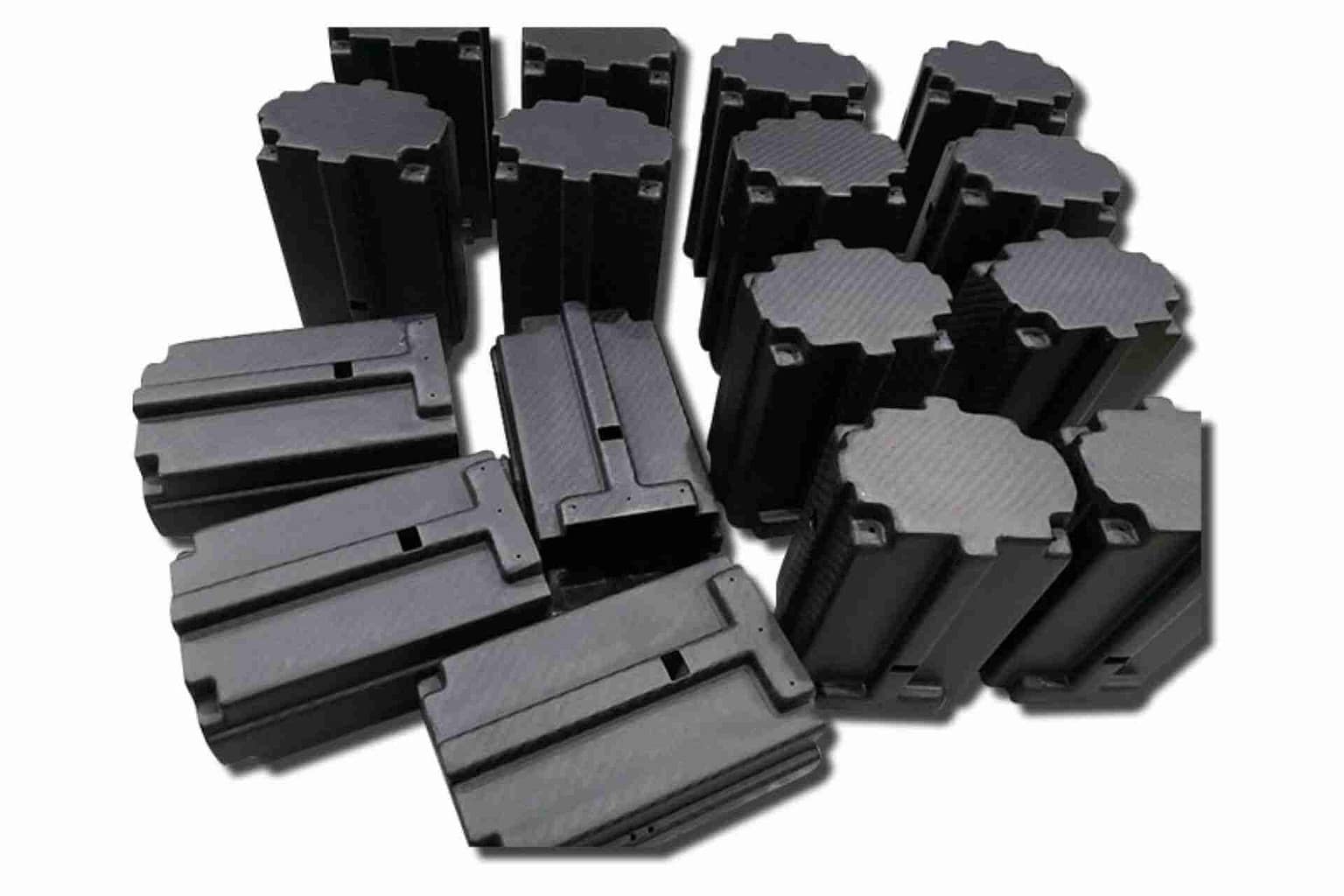
Renowned for top-tier strength per unit weight, carbon fiber tubes excel in demanding roles requiring robustness and lighter builds
Constructed by bonding carbon fiber reinforcements into a cured resin matrix, the tubes become a high-performance composite
Precisely oriented carbon fibers deliver excellent tensile capacity and rigidity, and a low-mass resin reduces overall weight
This fusion of mechanical advantages supports designing components that are solid in performance and low in weight
Use cases for advanced carbon fiber tubing span aircraft, automotive, sports equipment and medical instruments
Applied in aircraft, these tubes cut weight in fuselages and wing structures, thereby improving fuel consumption and flight characteristics
Vehicle manufacturers use carbon fiber tubing for suspension links and chassis bracing to achieve better handling and lighter vehicles
Square carbon fiber tubes engineered for precision strength and dimensional stability
In sectors where low weight and structural excellence matter, carbon fiber square tubes deliver exceptional results
High-precision production results in square carbon fiber tubes that blend mechanical strength with broad design flexibility
By bonding engineered carbon fiber patterns with resin, these square tubes become resistant to both compression and tensile stress
Due to their stiffness, square carbon fiber tubes are ideal for settings that require sustained structural integrity
Used for aerospace sections, vehicle chassis reinforcements and high-performance sports equipment, these tubes ensure dependable performance under stress
The lightweight profile contributes to enhanced fuel economy and increased system efficiency
- Additionally, precise dimensions enable seamless integration into assemblies and cut down on expensive manufacturing rework
- Hence, square carbon fiber tubes serve as cornerstone materials for sectors striving for innovation, performance and efficiency
Rectangular carbon fiber sections designed for tailored configurations and superior results
Its excellent strength-to-weight profile and stiffness qualify carbon fiber for a wide range of demanding engineering roles
Rectangular/prismatic carbon fiber tubes stand out for performance because their geometry is engineered for load handling
Manufacturers can tailor these tubes precisely to meet structural integrity, load-bearing and mechanical requirements
Fabricators are able to manufacture high-precision rectangular carbon fiber tubes for aerospace, sporting and industrial applications
The adaptability of rectangular carbon fiber tubes fosters development of novel solutions that elevate performance and functionality
Structural carbon fiber plates combining stiffness with high impact resistance
Renowned stiffness of carbon fiber plates fits them to tasks needing high load support
Carbon fiber plates composed of fibers in a resin matrix deliver exceptional protection against bending and deformation
Carbon fiber plates achieve impact resilience through fiber-based energy absorption that prevents catastrophic breakage
Cutting-edge composite systems: carbon fiber tubes paired with plates for advanced performance
Advanced applications often choose CFRP tubes and plates for their high mechanical performance and favorable strength-to-weight balance
The blend of lightness and robustness makes them applicable across aerospace, automotive, sporting goods and specialized consumer markets
Fabrication into complex shapes is possible without sacrificing stiffness and durability, enabling diverse engineering designs
Furthermore, manufacturing advancements have enhanced affordability and scalability, making these materials more accessible
Using carbon fiber tubes and plates delivers clear advantages over many traditional materials, such as higher strength and lower weight
The materials’ resistance to environmental degradation and fatigue increases longevity and dependable performance under stress
The exceptional attributes of carbon fiber composites continue to drive innovation and shape future engineering directions
Mapping common uses and industry implementations for carbon fiber tubes and plates
The robustness of carbon fiber composites has led to broad recognition and use across many sectors
The high strength-to-weight and mechanical traits support application across a wide spectrum of needs
These composites are often found in aerospace, automotive and construction for producing strong, durable structural elements
Sports applications include bicycle structures, golf clubs and racquets where stiffness and lightness enhance athletic performance
The medical field leverages carbon fiber composites in prosthetics, surgical tools and assistive device fabrication
Applying carbon fiber tubes and plates to achieve strategic lightweighting
Carbon fiber allows design of much lighter components while retaining essential strength and stiffness characteristics
Carbon fiber tubes fit applications like bicycles and wind blades that demand strong stiffness combined with low mass
In aerospace structures, carbon fiber plates provide the necessary stiffness and robustness required for load-bearing parts
New research and fabrication methods enhancing carbon fiber utility
Recognized in materials science for exceptional strength, carbon fiber is a transformative material
Exceptional characteristics originate from fine carbon fibers set in a polymer matrix that yields both light weight and high strength
Increasing applications in aviation and automotive result from the performance and fuel-efficiency gains tied to weight reduction
Carbon fiber integration in vehicles creates lighter, stiffer components that raise performance, handling and safety levels
The versatility of carbon fiber spans aerospace and automotive structures and many other fields
By delivering exceptional strength per unit weight, carbon fiber composites have altered aerospace and automotive engineering
Reduced mass allows manufacturing of high-performance, fuel-efficient and durable vehicles and aircraft
Vehicle designers use carbon fiber for panels, chassis reinforcements and framed components to lower overall weight and improve performance
These carbon fiber components keep extending the limits of modern engineering
These materials have revolutionized industries through their exceptional strength-per-weight performance
These robust, light materials are adopted in aerospace, automotive and medical sectors that prioritize performance and less mass
As an example, aerospace integration of carbon fiber parts results in significant fuel savings and better aerodynamics
In the auto industry, carbon fiber contributes to lighter builds that accelerate better and handle more responsively
- Successful implementation requires knowledge of carbon fiber behavior, fabrication methods and necessary design compromises Proper leveraging of carbon fiber involves understanding its performance attributes, manufacturing constraints and trade-offs in design Successful implementation requires knowledge of carbon fiber behavior, fabrication methods and necessary design compromises Leveraging it successfully requires a detailed understanding of material behavior, carbon fiber sheets fabrication constraints and design trade-offs
- The future appears optimistic for carbon fiber tubes and plates with continual expansion of use cases
- More research and development will advance properties and expand practical uses
- As a result, carbon fiber composites are positioned to become increasingly important across engineering and manufacturing domains
Unlocking peak performance with carbon fiber: a practical guide
Because of its high strength-per-weight and stiffness, carbon fiber ranks among top materials for boosting performance in various uses
An overview of carbon fiber attributes, uses and practical integration methods to enable successful application
Use cases span automotive, aerospace, sports and electronics where carbon fiber adds meaningful performance advantages
Leveraging it successfully requires a detailed understanding of material behavior, fabrication constraints and design trade-offs
A deep dive into the material properties that make carbon fiber so unique.A comprehensive look at its exceptional strength-to-weight ratio and stiffness.